Amazon
For the past four years, I have lived and worked in the Durham/Raleigh areas of North Carolina, navigating the space between the university and the industrial warehouse. As a PhD candidate in Anthropology at UNC Chapel Hill, my research examines the evolution of labor in the New South — specifically the history of a Garner, NC Amazon warehouse built on the ruins of a former Slim Jim factory. It was my family's history in Appalachia that brought me back to the South. My grandpa was born poor at the furthest tip of Western North Carolina in a destitute railroad town called Murphy. With an abusive step-dad and no opportunity, he signed up for the military and headed to Korea for two tours. Upon his return, with a body full of shrapnel, trauma, and opioids, he met and married my grandma while on the GI Bill in San Francisco. When my dad was two, he left and never returned. My grandma, as a single mom, worked three jobs, struggling to help her four children navigate the treacherous climb out of poverty.
It was that question — about structural violence, social mobility, and the labor systems that use them up — that became the engine of my research.
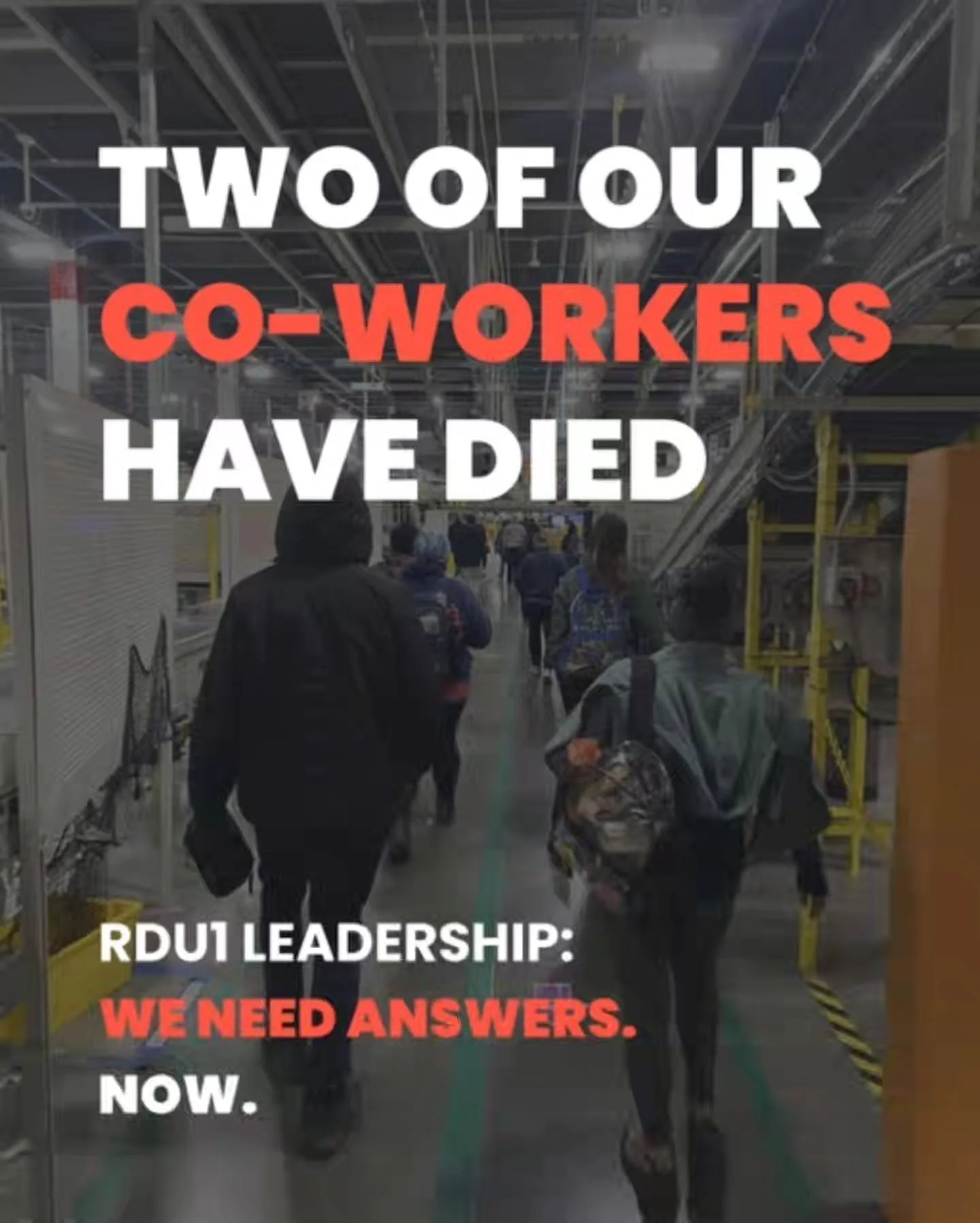
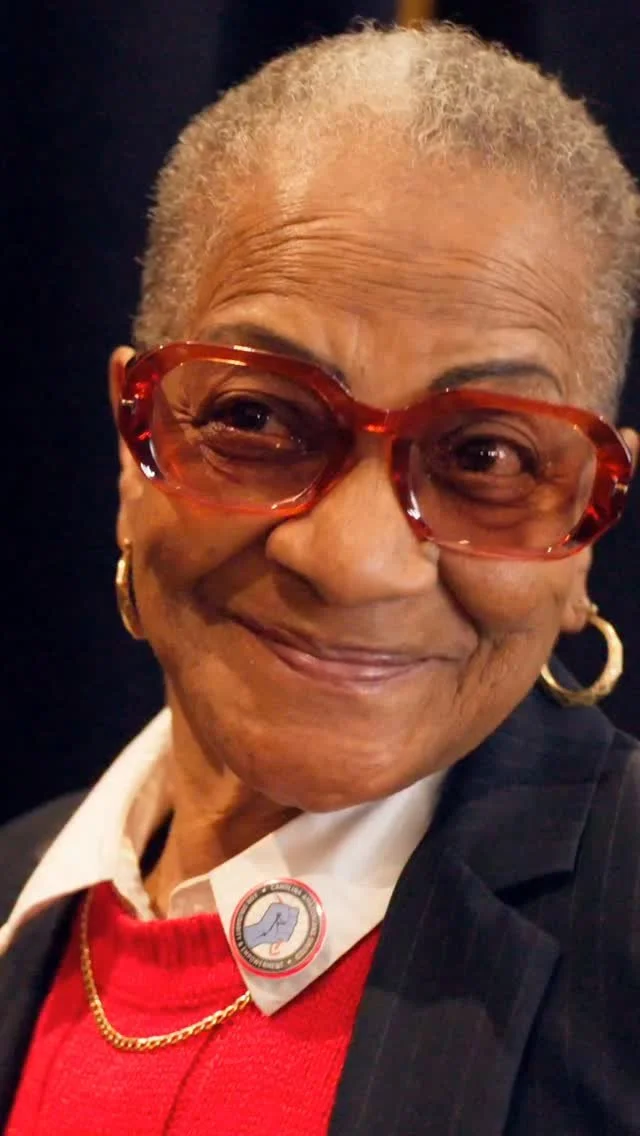
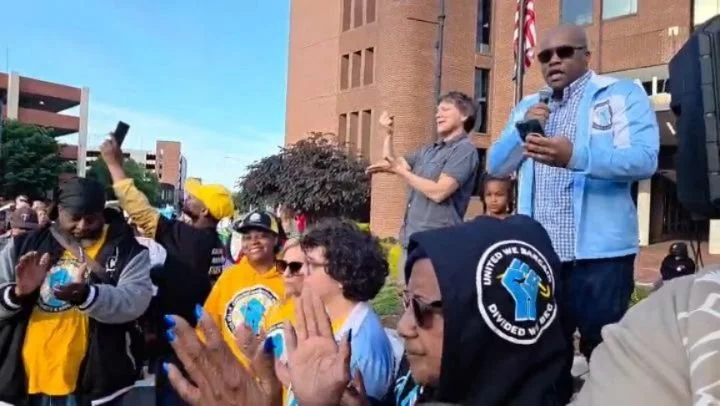
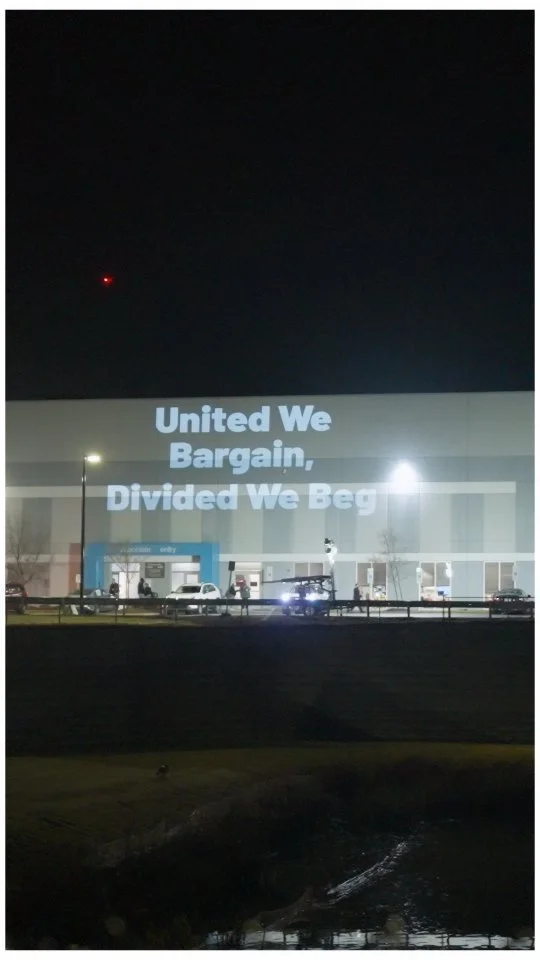
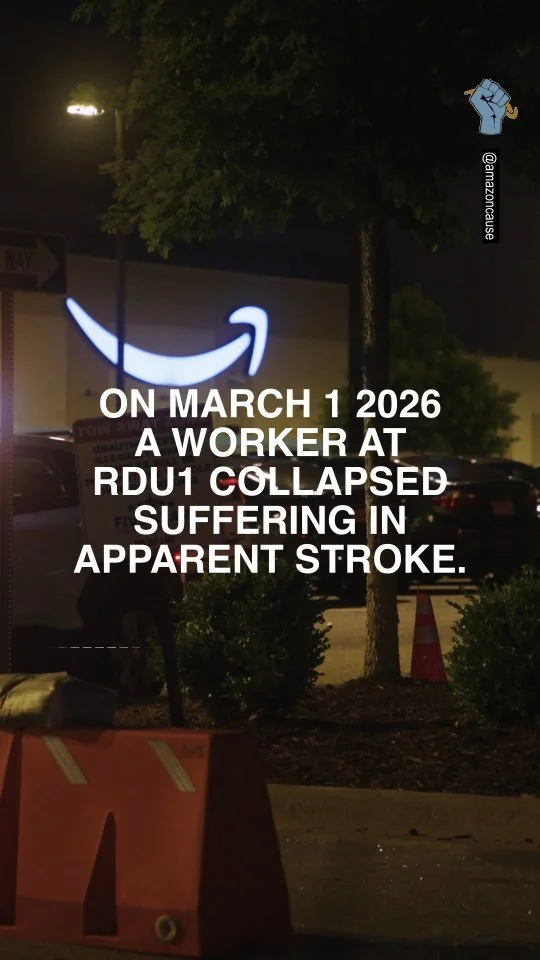
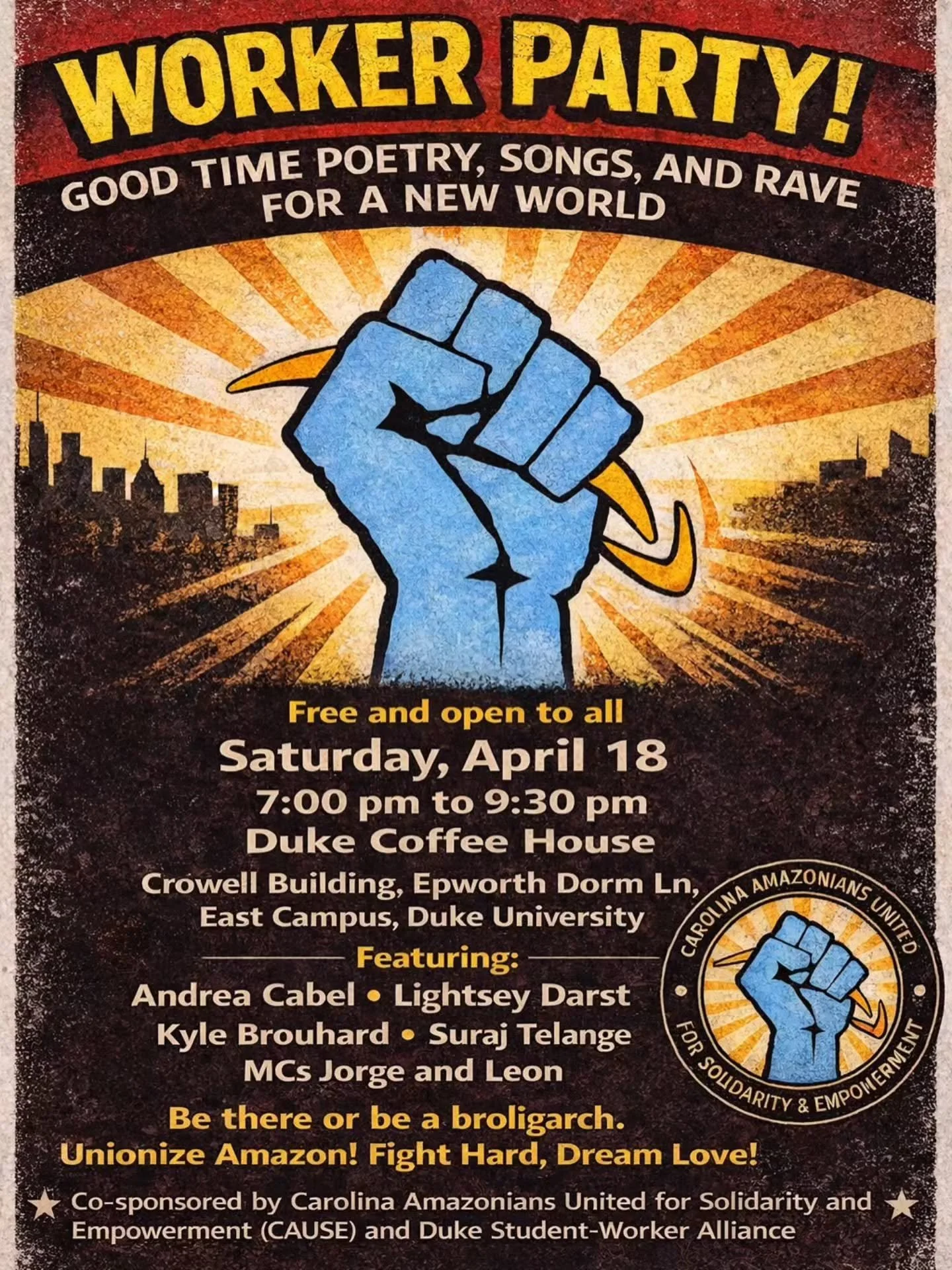
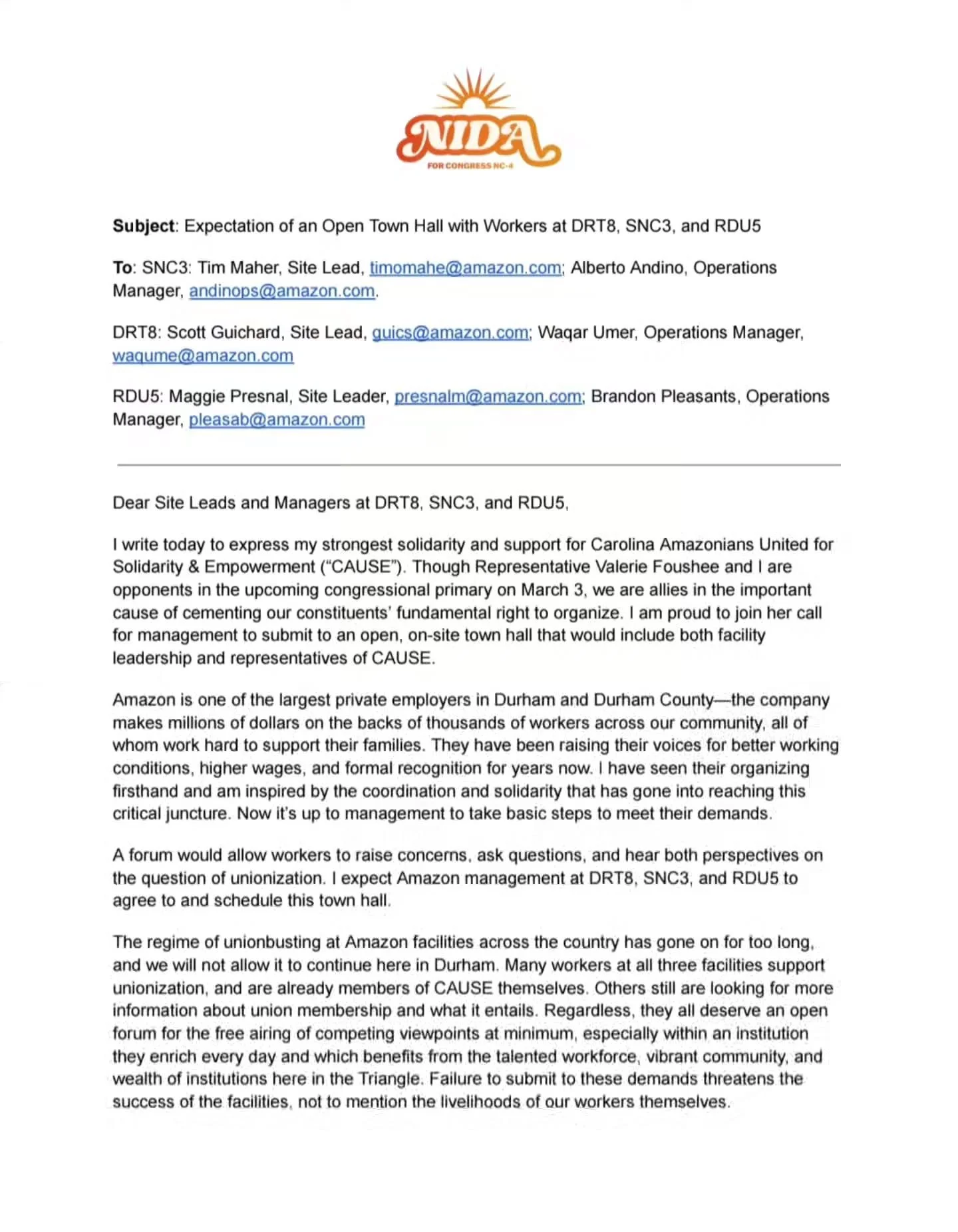
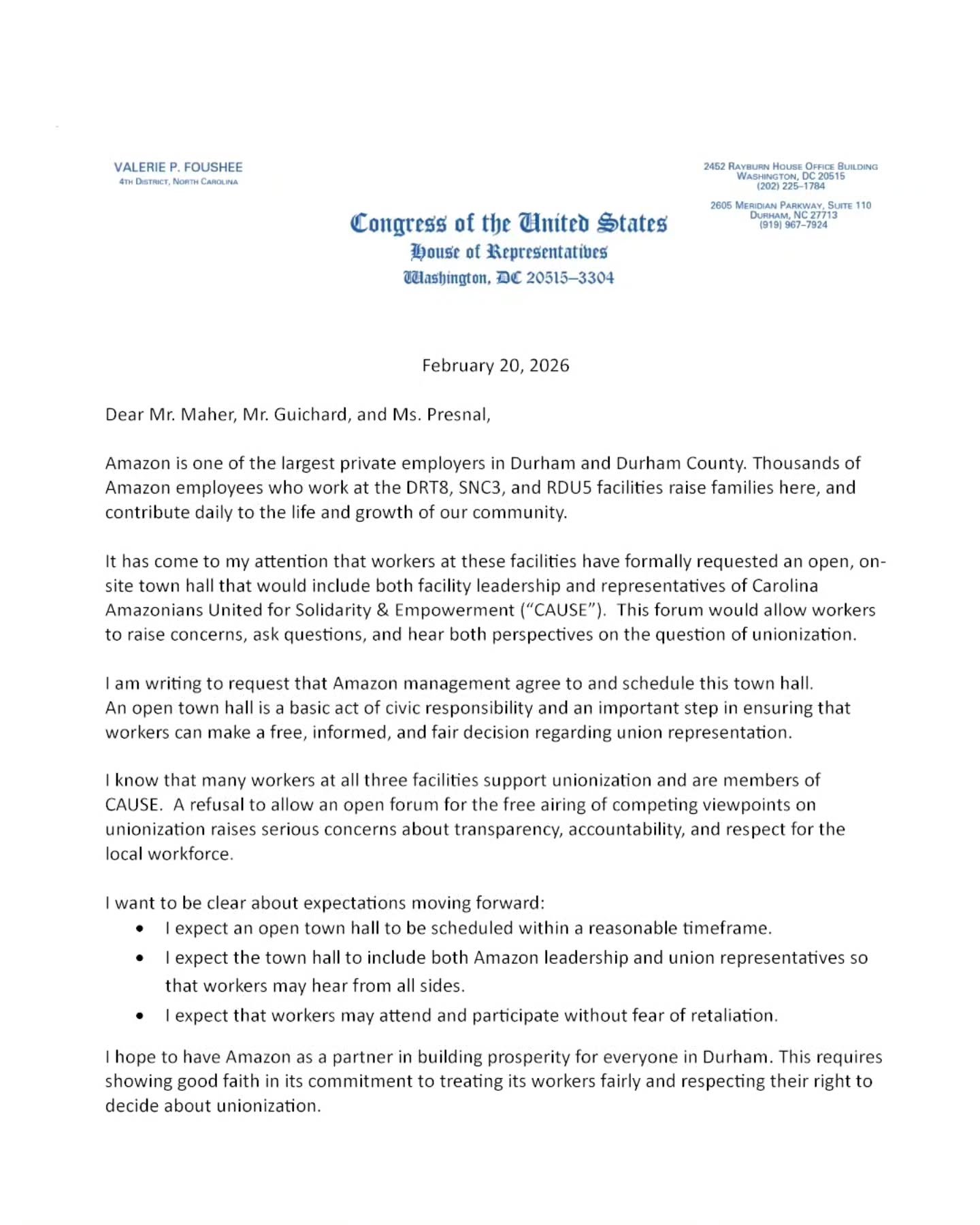
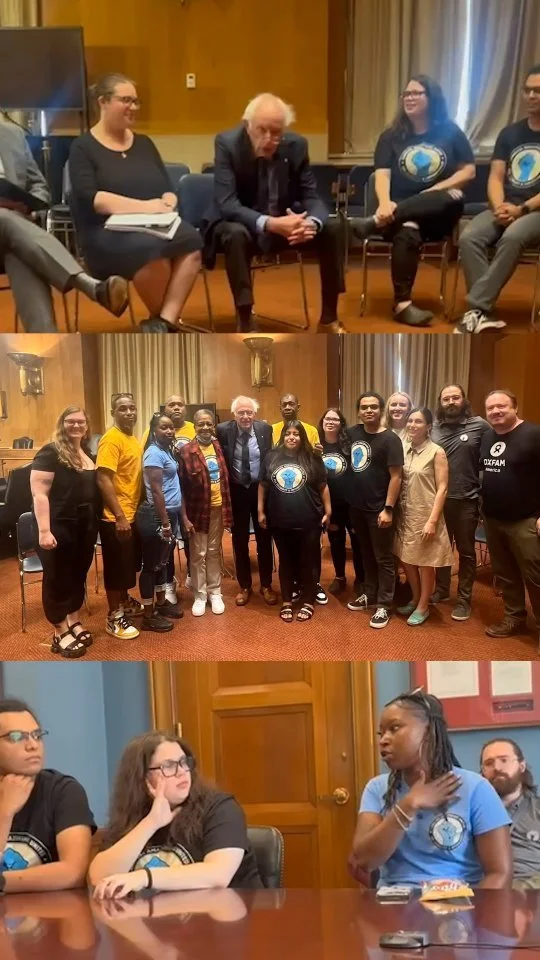
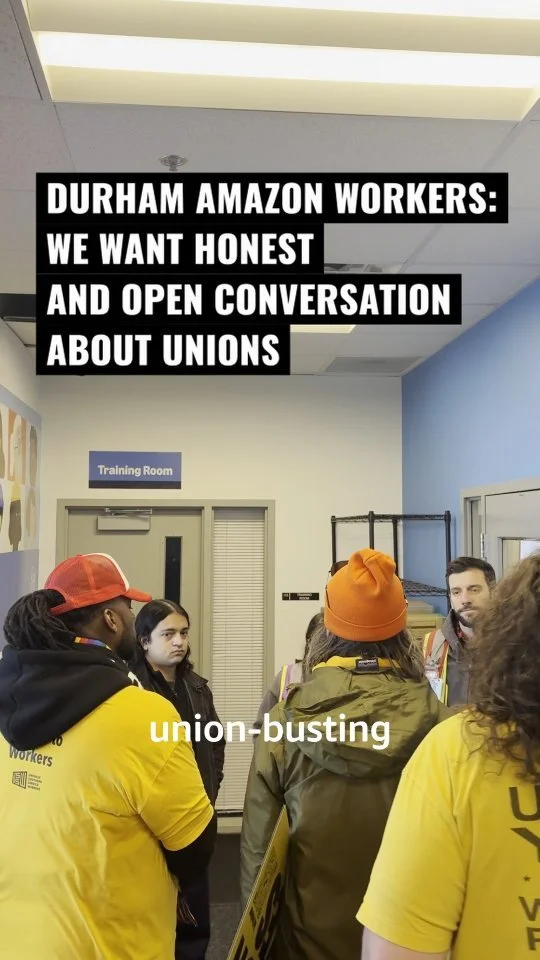
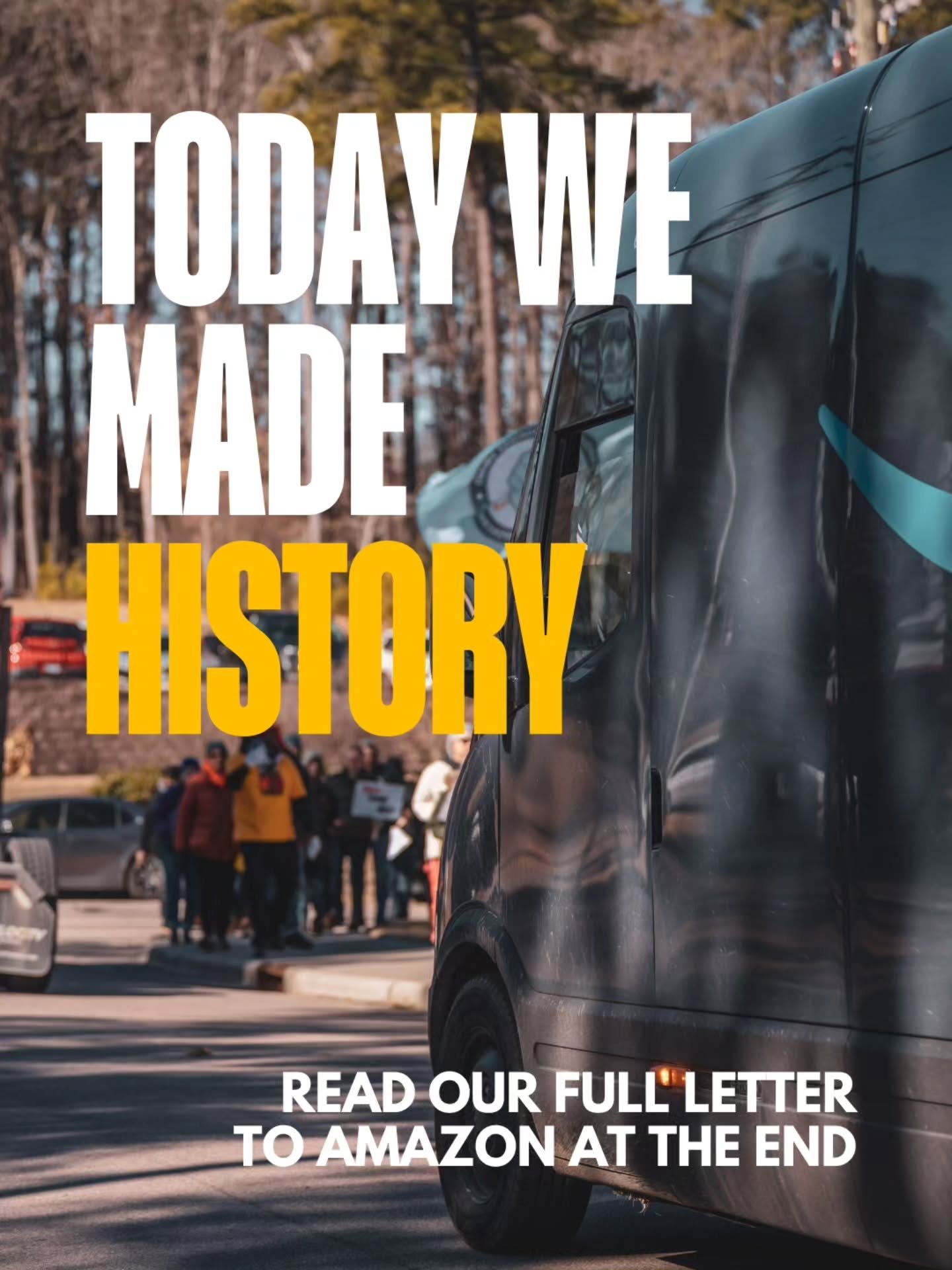
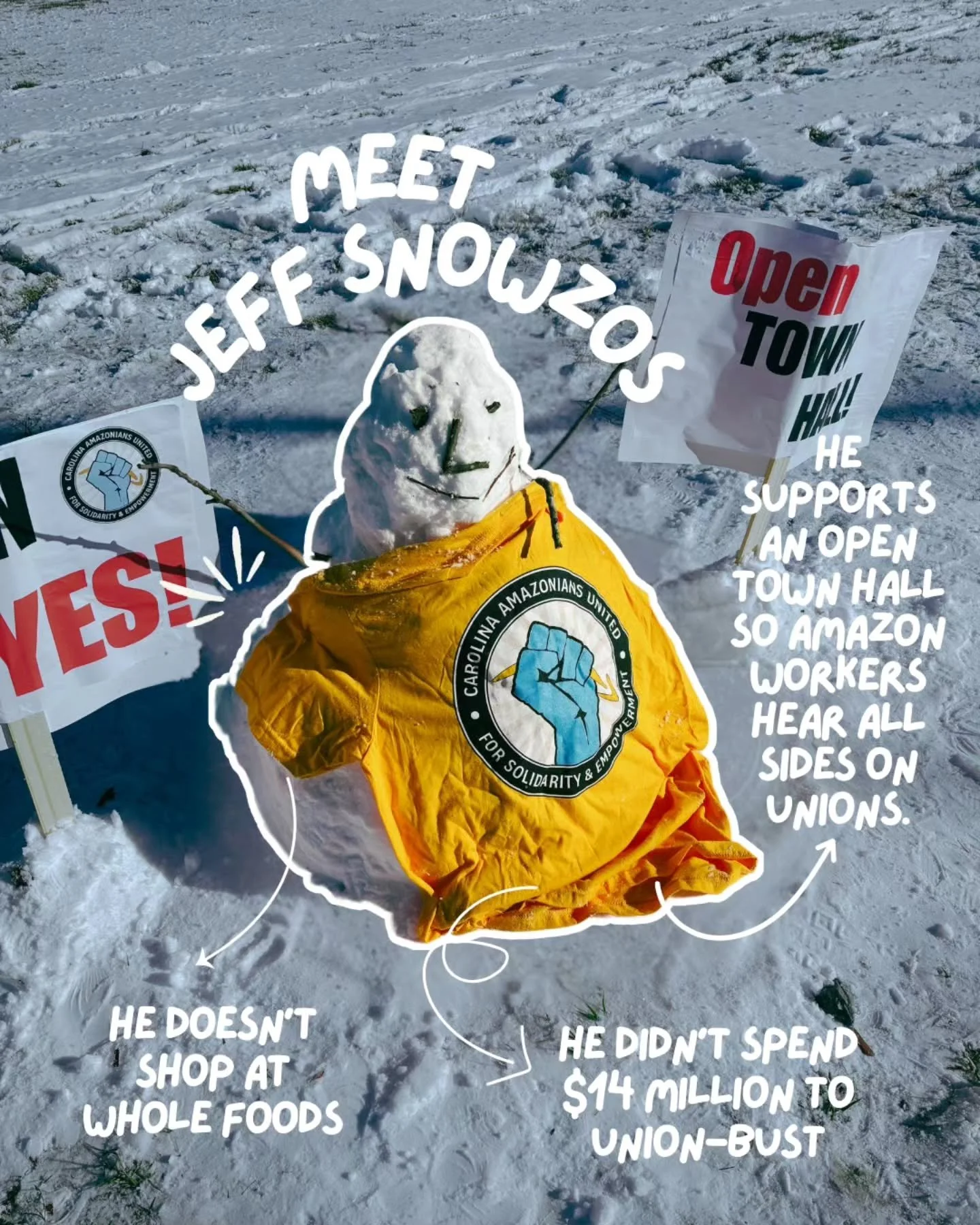
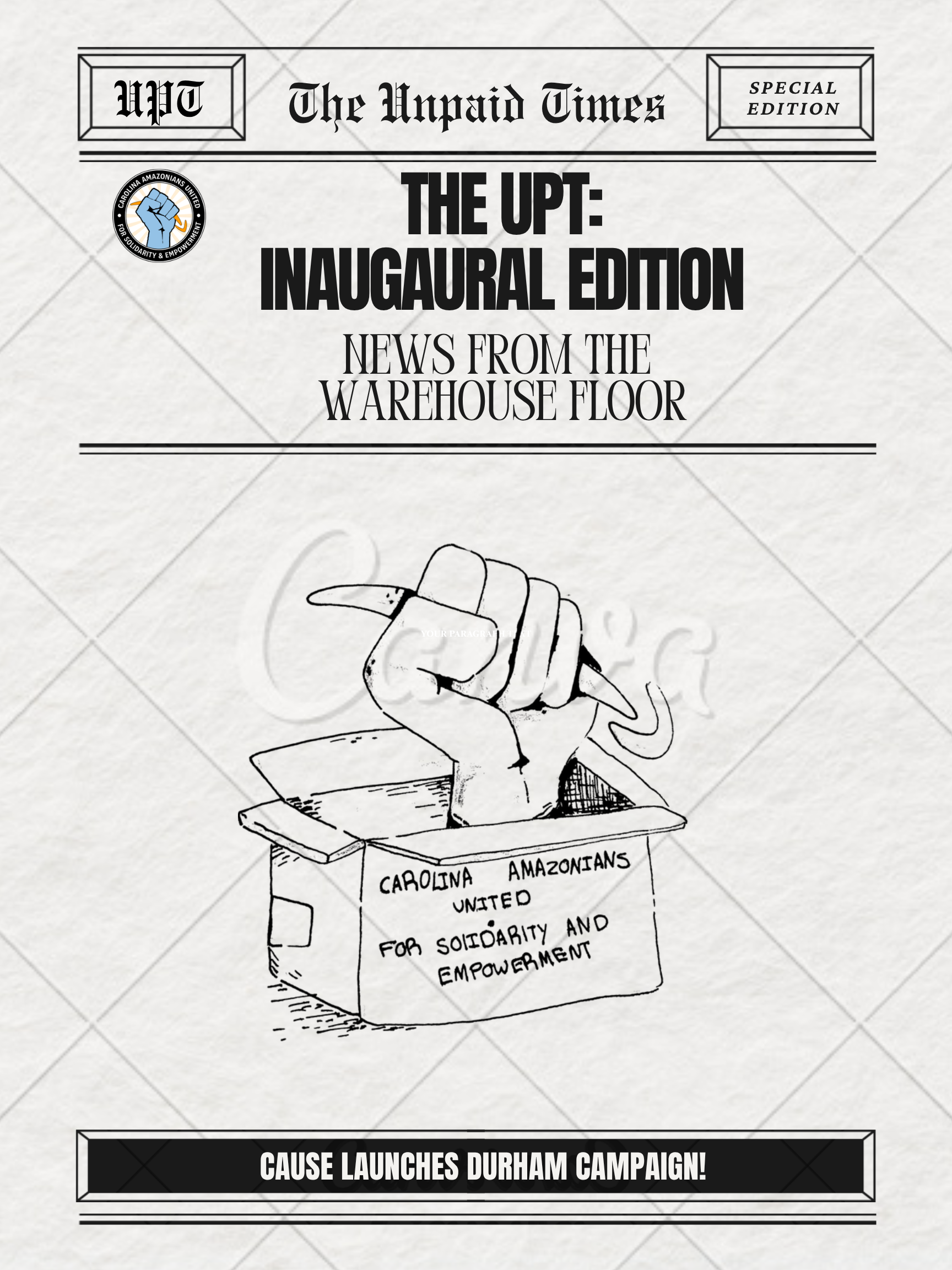
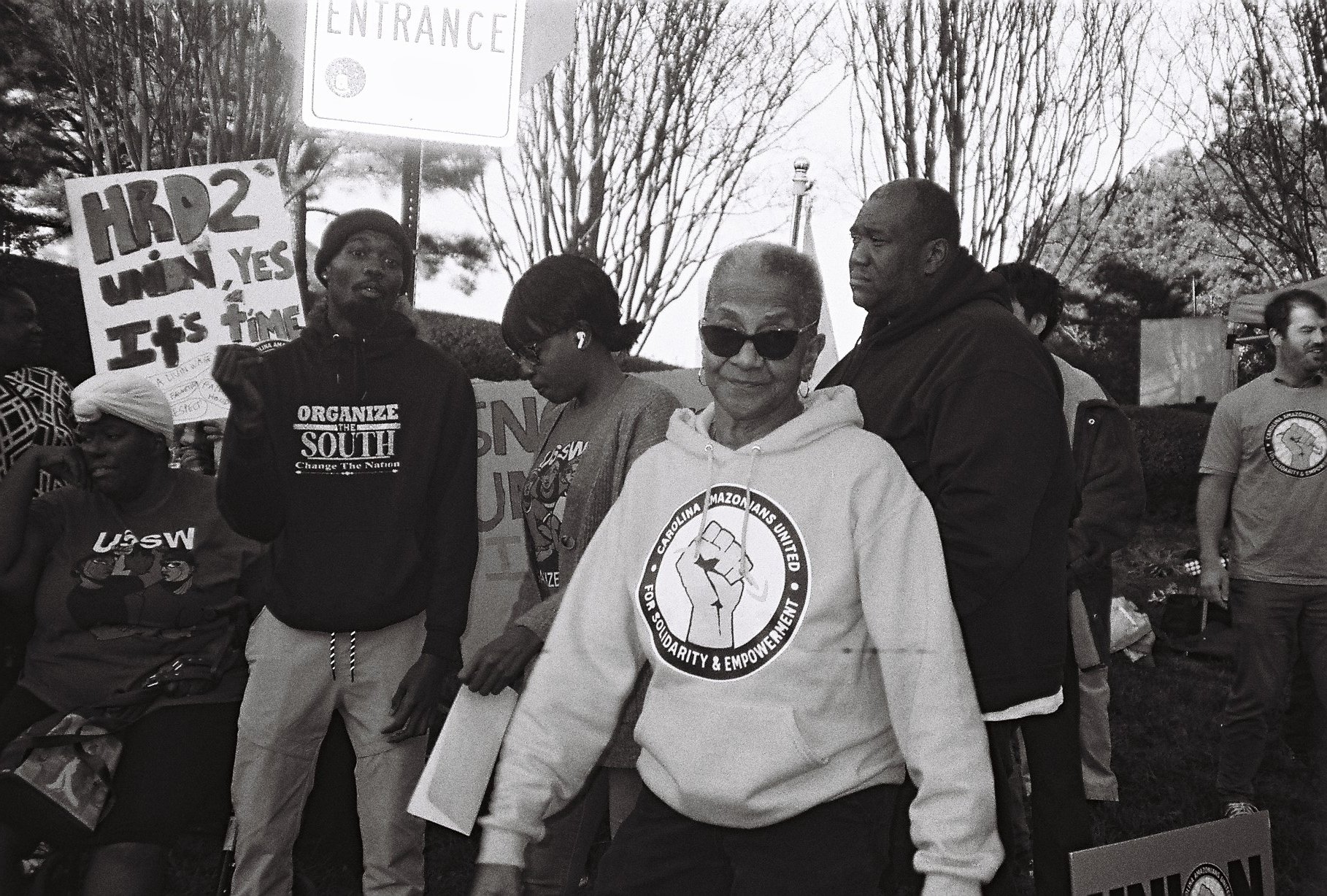
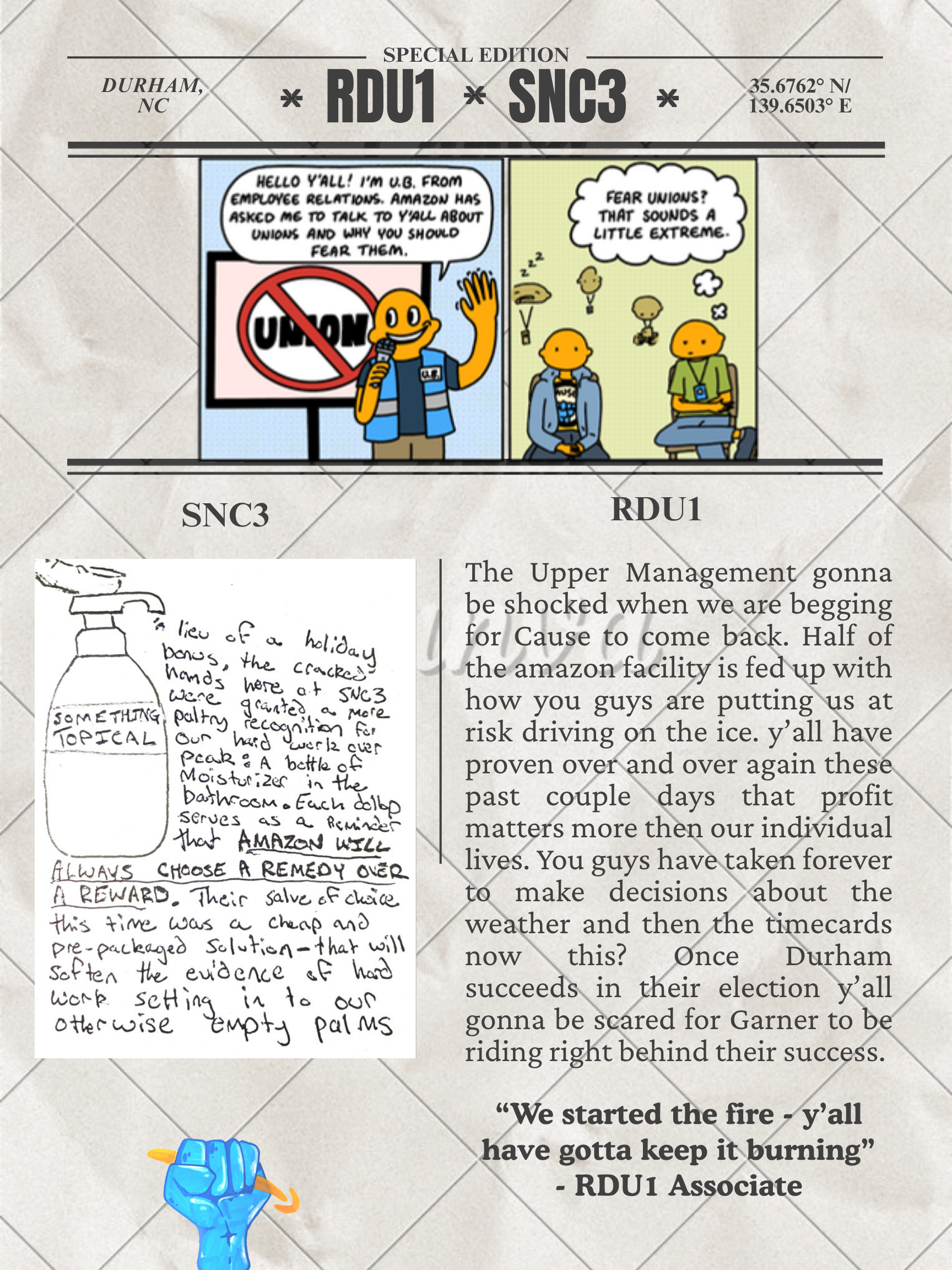
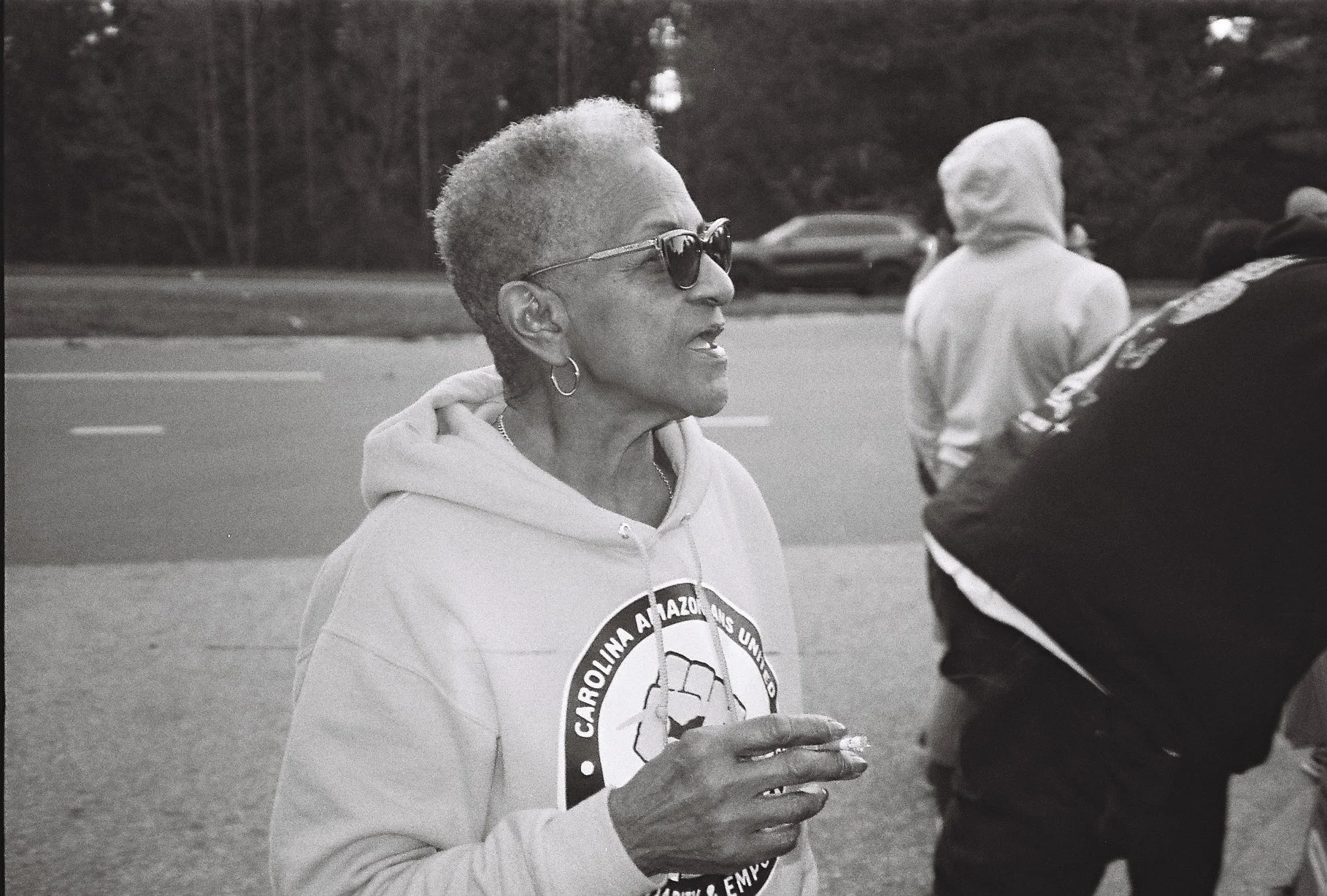
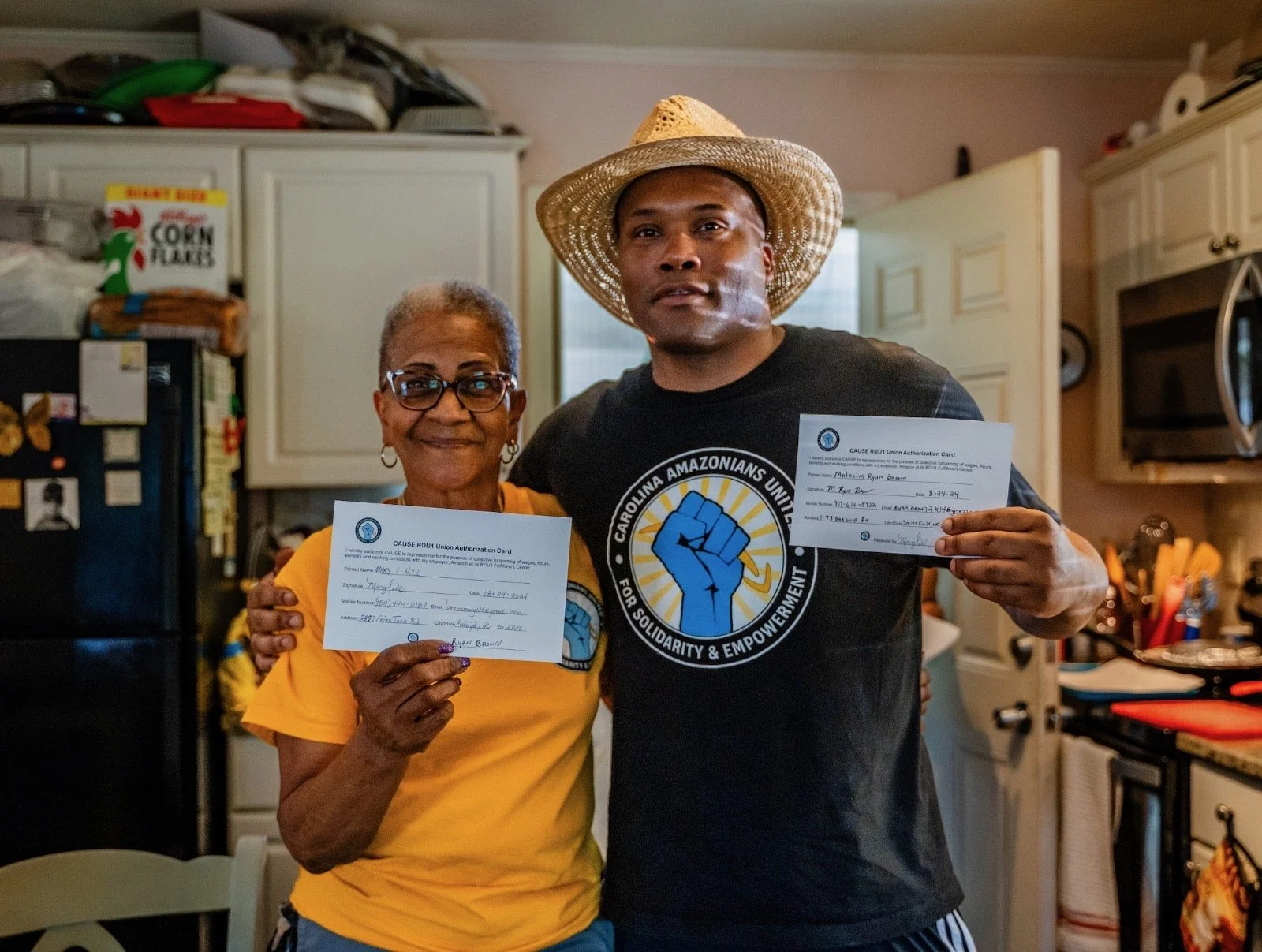
When Amazon warehouses began replacing farms in the agricultural towns I worked in, I decided to apply to the University of London to see if I could study these transitions. My masters dissertation explored the impacts of an Amazon warehouse on the Indigenous Oaxacan farmworker community in Oxnard, California. I build on that early work by applying for my doctorate in Anthropology at UNC Chapel Hill where I engaged in a long term ethnography of the Amazon workplace and distribution network in Garner, North Carolina, another farm town seeing a massive shift to logistics and warehousing work. I have worked the warehouse floor picking and packing packages, organized alongside my peers, and documented the physical and social toll of Amazon work with my film camera and videography equipment. Throughout this time, I have worked tirelessly to understand how the body is consumed by work and to help build worker power in North Carolina, the worst state for workers in the U.S. This means documenting the complexities of rural livelihoods and finding ways of telling the story of what is to be learned from these places, why these people and their cultures are both intrinsically valuable and beautiful and why they are worth protecting. Below are examples of the videography work, as well as the Social Media page that I launched and managed for CAUSE(Carolina Amazonians United for Solidarity and Empowerment) until last year. Also included is an example of the newsletter I helped design and distribute to Amazon workers in Raleigh/Durham.
All videography and Film Camera work is my own.